Mastering Poultry Farming
Introduction

Welcome to the World of Poultry Farming
Welcome to the exciting world of poultry farming! Whether you're a beginner or a seasoned farmer looking to enhance your skills, this ebook is designed to provide you with comprehensive guidance on all aspects of poultry farming. From understanding the basics to implementing advanced techniques, this guide will equip you with the knowledge and tools needed to succeed in this rewarding industry.
Also read about Guinea Fowls
Why Poultry Farming Matters
Poultry farming plays a crucial role in meeting the global demand for high-quality protein. With the increasing population and changing dietary preferences, the demand for poultry products continues to rise. By mastering the art of poultry farming, you can not only fulfill this demand but also create a sustainable and profitable business.
What to Expect from This Ebook
In this ebook, we will cover everything you need to know to start and run a successful poultry farm. From setting up your farm and caring for your birds to marketing your products and ensuring sustainability, each chapter will delve into specific aspects of poultry farming, providing practical advice and actionable tips.
How to Use This Guide Effectively
To make the most of this guide, we encourage you to read each chapter thoroughly and apply the principles discussed to your own farm. Feel free to revisit any sections as needed and adapt the strategies to suit your unique circumstances. By incorporating the knowledge shared in this ebook into your poultry farming practices, you'll be well on your way to achieving success.
Chapter 1: Getting Started with Poultry Farming
1.1 Understanding Poultry Farming Basics
Before diving into the intricacies of poultry farming, it's essential to have a solid understanding of the basics. In this section, we'll explore the different poultry species, discuss how to select the right breed for your farm, and outline the essential equipment and infrastructure needed to get started.
1.2 Selecting the Right Breed for Your Farm
Choosing the right breed is crucial for the success of your poultry farm. Factors such as climate, market demand, and personal preferences should all be taken into consideration when selecting breeds. We'll discuss the characteristics of various poultry breeds and provide guidance on how to choose the best fit for your farm.
1.3 Essential Equipment and Infrastructure
To ensure the health and well-being of your birds, it's important to have the right equipment and infrastructure in place. From housing and feeding systems to lighting and ventilation, each component plays a critical role in the success of your farm. We'll cover the essential equipment needed for poultry farming and offer tips on designing an efficient and functional poultry house.

Chapter 2: Setting Up Your Poultry Farm
2.1 Creating the Ideal Environment
The environment in which your birds are raised has a significant impact on their health and productivity. In this section, we'll discuss the importance of temperature and ventilation management, as well as strategies for maintaining optimal conditions within your poultry house. We'll also explore biosecurity measures to prevent the spread of diseases and protect your flock.
2.2 Designing the Poultry House
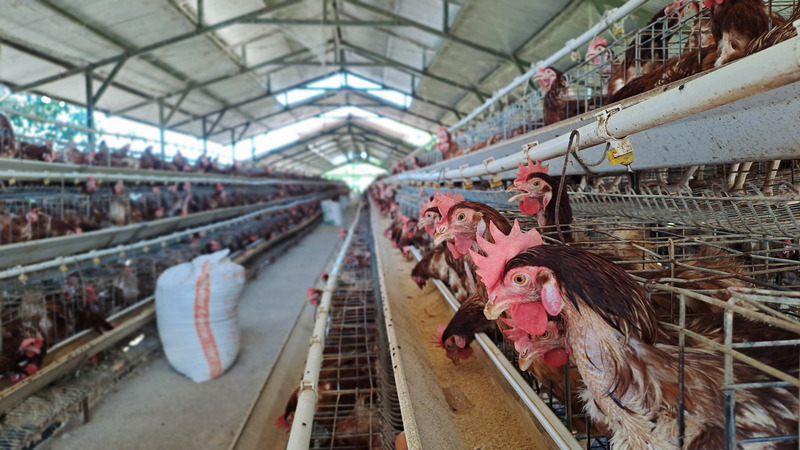
The design of your poultry house plays a crucial role in the overall success of your farm. In this section, we'll discuss key considerations for designing a poultry house, including size, layout, and construction materials. We'll also explore different housing systems, such as free-range and cage-free, and discuss their advantages and disadvantages.
2.3 Temperature and Ventilation Management
Maintaining the right temperature and ventilation levels is essential for the health and comfort of your birds. In this section, we'll discuss how to monitor and regulate temperature and ventilation within your poultry house, as well as common challenges and solutions. We'll also explore alternative heating and cooling methods to ensure optimal conditions year-round.
2.4 Biosecurity Measures for Disease Prevention
Disease outbreaks can have devastating consequences for poultry farms. In this section, we'll discuss the importance of implementing biosecurity measures to prevent the introduction and spread of diseases. We'll cover practices such as controlling access to the farm, disinfecting equipment, and monitoring bird health, as well as strategies for managing disease outbreaks if they occur.
Chapter 3: Feeding and Nutrition
3.1 Optimizing Feed for Healthy Birds
Proper nutrition is essential for the health and productivity of your birds. In this section, we'll discuss the nutritional requirements of poultry and how to formulate a balanced diet using commercial feeds and supplements. We'll also explore feeding strategies for different life stages, from chick to adult, and discuss how to adjust diets based on seasonal and environmental factors.
3.2 Nutritional Requirements of Poultry
Understanding the nutritional needs of your birds is key to providing them with the best possible care. In this section, we'll discuss the essential nutrients required by poultry, including protein, carbohydrates, fats, vitamins, and minerals. We'll also explore how to assess the nutritional content of feed ingredients and formulate diets that meet the specific needs of your flock.
3.3 Types of Poultry Feed and Supplements
There are various types of feed available for poultry, each designed to meet specific nutritional requirements. In this section, we'll discuss the different types of feed, including starter, grower, and layer feeds, as well as specialty feeds for broilers, turkeys, and ducks. We'll also explore the role of supplements in enhancing the health and performance of your birds.
3.4 Feeding Strategies for Different Life Stages
As your birds grow and develop, their nutritional needs will change. In this section, we'll discuss feeding strategies for different life stages, from hatchling to maturity. We'll cover topics such as feeding frequency, portion sizes, and nutrient requirements, as well as how to monitor and adjust diets based on the specific needs of your flock.
Chapter 4: Health Management
4.1 Maintaining the Well-being of Your Flock
Ensuring the health and well-being of your birds is essential for the success of your poultry farm. In this section, we'll discuss common diseases and ailments that affect poultry, as well as how to recognize and treat them effectively. We'll also explore preventive measures, such as vaccination and biosecurity, to minimize the risk of disease outbreaks.
4.2 Identifying Common Diseases and Ailments
Poultry are susceptible to a variety of diseases and health conditions, ranging from respiratory infections to parasitic infestations. In this section, we'll discuss the symptoms, causes, and treatments of common poultry diseases, including Newcastle disease, avian influenza, and coccidiosis. We'll also explore how to conduct regular health checks and implement disease surveillance programs on your farm.
4.3 Vaccination Protocols and Preventive Care
Vaccination is an essential component of disease prevention in poultry farming. In this section, we'll discuss the importance of vaccination and how to develop a comprehensive vaccination program for your flock. We'll cover topics such as vaccine selection, administration methods, and scheduling, as well as how to monitor vaccine efficacy and response.
4.4 Effective Treatment Methods
Despite your best efforts, your birds may still fall ill from time to time. In this section, we'll discuss effective treatment methods for common poultry ailments, including the use of medications, antibiotics, and natural remedies. We'll also explore the importance of proper diagnosis and veterinary care, as well as strategies for managing disease outbreaks and minimizing their impact on your farm.
Chapter 5: Breeding and Reproduction
5.1 Breeding Practices for Genetic Improvement
Breeding plays a crucial role in the genetic improvement of poultry stocks. In this section, we'll discuss the principles of selective breeding and how to develop a breeding program to achieve your desired goals. We'll cover topics such as selecting breeding stock, evaluating genetic traits, and maintaining genetic diversity within your flock.
5.2 Selecting Breeding Stock
Choosing the right breeding stock is essential for the success of your breeding program. In this section, we'll discuss the characteristics to look for when selecting breeding birds, including traits such as productivity, health, and temperament. We'll also explore how to evaluate pedigree and performance records to make informed breeding decisions.
5.3 Natural and Artificial Insemination Techniques
There are two primary methods of breeding poultry: natural and artificial insemination. In this section, we'll discuss the pros and cons of each method and how to choose the best approach for your farm. We'll cover topics such as breeding ratios, mating behavior, and techniques for collecting and inseminating semen.
5.4 Incubation and Hatchery Management
Proper incubation is essential for the success of your breeding program. In this section, we'll discuss the key principles of egg incubation and how to optimize hatch rates. We'll cover topics such as egg selection and handling, incubator setup and operation, and managing the hatching process. We'll also explore best practices for chick care and brooding to ensure the health and vitality of your hatchlings.
Chapter 6: Marketing and Sales Strategies
6.1 Turning Your Poultry into Profit
Marketing plays a crucial role in the success of your poultry farm. In this section, we'll discuss strategies for identifying and reaching your target market, creating a strong brand identity, and differentiating your products from the competition. We'll cover topics such as market research, branding and packaging, pricing strategies, and promotional tactics.
6.2 Finding Your Niche Market
Finding your niche market is key to building a successful poultry business. In this section, we'll discuss how to identify niche markets within the poultry industry, such as organic, free-range, and specialty products. We'll explore strategies for targeting niche consumers, developing unique selling propositions, and building relationships with customers.
6.3 Branding and Packaging Your Products
Effective branding and packaging can help set your products apart from the competition. In this section, we'll discuss the importance of branding and packaging in poultry marketing and how to develop a strong brand identity that resonates with your target audience. We'll cover topics such as logo design, packaging materials, labeling requirements, and product presentation.
6.4 Distribution Channels and Sales Techniques
Choosing the right distribution channels is essential for reaching your target market and maximizing sales. In this section, we'll discuss different distribution options for poultry products, including direct sales, wholesale, retail, and online platforms. We'll explore the pros and cons of each channel and provide guidance on how to develop a distribution strategy that aligns with your business goals.
Chapter 7: Sustainable Practices in Poultry Farming
7.1 Balancing Profitability with Environmental Responsibility
Sustainability is becoming increasingly important in the poultry industry. In this section, we'll discuss strategies for reducing your farm's environmental impact while maintaining profitability. We'll cover topics such as waste management and pollution control, energy efficiency, and resource conservation. We'll also explore the benefits of organic and free-range farming practices and how to implement them on your farm.
7.2 Waste Management and Pollution Control
Proper waste management is essential for protecting the environment and ensuring the long-term sustainability of your farm. In this section, we'll discuss strategies for managing poultry waste, including composting, nutrient management, and biosecurity measures. We'll also explore technologies and best practices for minimizing pollution and protecting water quality on your farm.
7.3 Organic and Free-Range Farming Methods
Organic and free-range farming methods are gaining popularity among consumers who prioritize animal welfare and environmental sustainability. In this section, we'll discuss the principles of organic and free-range poultry production and how to transition your farm to these systems. We'll cover topics such as certification requirements, pasture management, and feed sourcing, as well as the benefits and challenges of organic and free-range farming.
7.4 Ethical Considerations in Poultry Production
Ethical considerations are an important aspect of poultry farming. In this section, we'll discuss the ethical issues associated with poultry production, including animal welfare, worker rights, and community impact. We'll explore strategies for promoting ethical practices on your farm, such as providing humane care for your birds, ensuring fair labor practices, and engaging with your local community.
Conclusion
Becoming a Successful Poultry Farmer
Congratulations! You've reached the end of this comprehensive guide to mastering poultry farming. We hope you've found the information and advice provided in this ebook valuable and actionable. As you embark on your poultry farming journey, remember to apply the principles discussed here to your own farm and continue to learn and adapt as you grow. With dedication, hard work, and a passion for poultry, you can achieve success in this rewarding industry.
Recap of Key Takeaways
Before we wrap up, let's take a moment to recap some of the key takeaways from this ebook:
- Understanding the basics of poultry farming, including breed selection, housing, and equipment.
- Implementing best practices for nutrition, health management, and breeding.
- Developing effective marketing and sales strategies to promote your products and reach your target market.
- Embracing sustainable practices to minimize your farm's environmental impact and promote ethical production.
Next Steps in Your Poultry Farming Journey
Your journey as a poultry farmer is just beginning. As you move forward, we encourage you to continue learning, experimenting and refining your skills. Be open to new ideas and technologies and don't be afraid to seek advice from experienced farmers and industry experts. With dedication and perseverance you can build a successful and sustainable poultry farm that brings joy and prosperity to both you and your flock.
Resources for Further Learning
To continue your education and stay up to date on the latest developments in poultry farming, we recommend a list of resources for further learning
- Books and publications
- Online courses and webinars
- Industry associations and organizations
- Veterinary clinics and extension services
We wish you the best of luck on your poultry farming journey and look forward to seeing your farm thrive. Happy farming
Comments
Post a Comment